
Regenerating Ronay
For us, long-term custodianship means understanding and caring for Ronay’s natural systems so they can remain healthy and resilient, now and into the future.
A wild and spectacular place
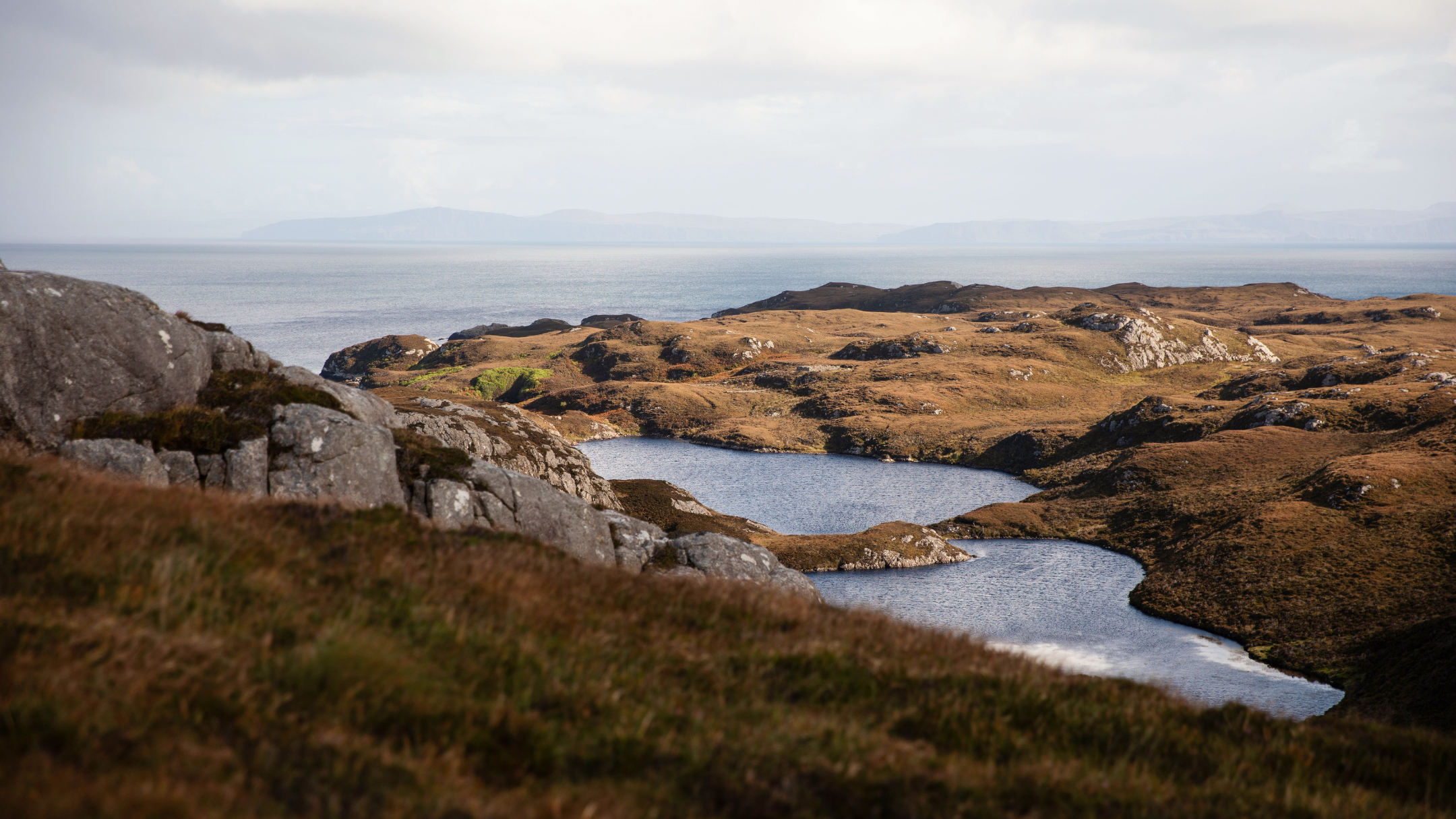
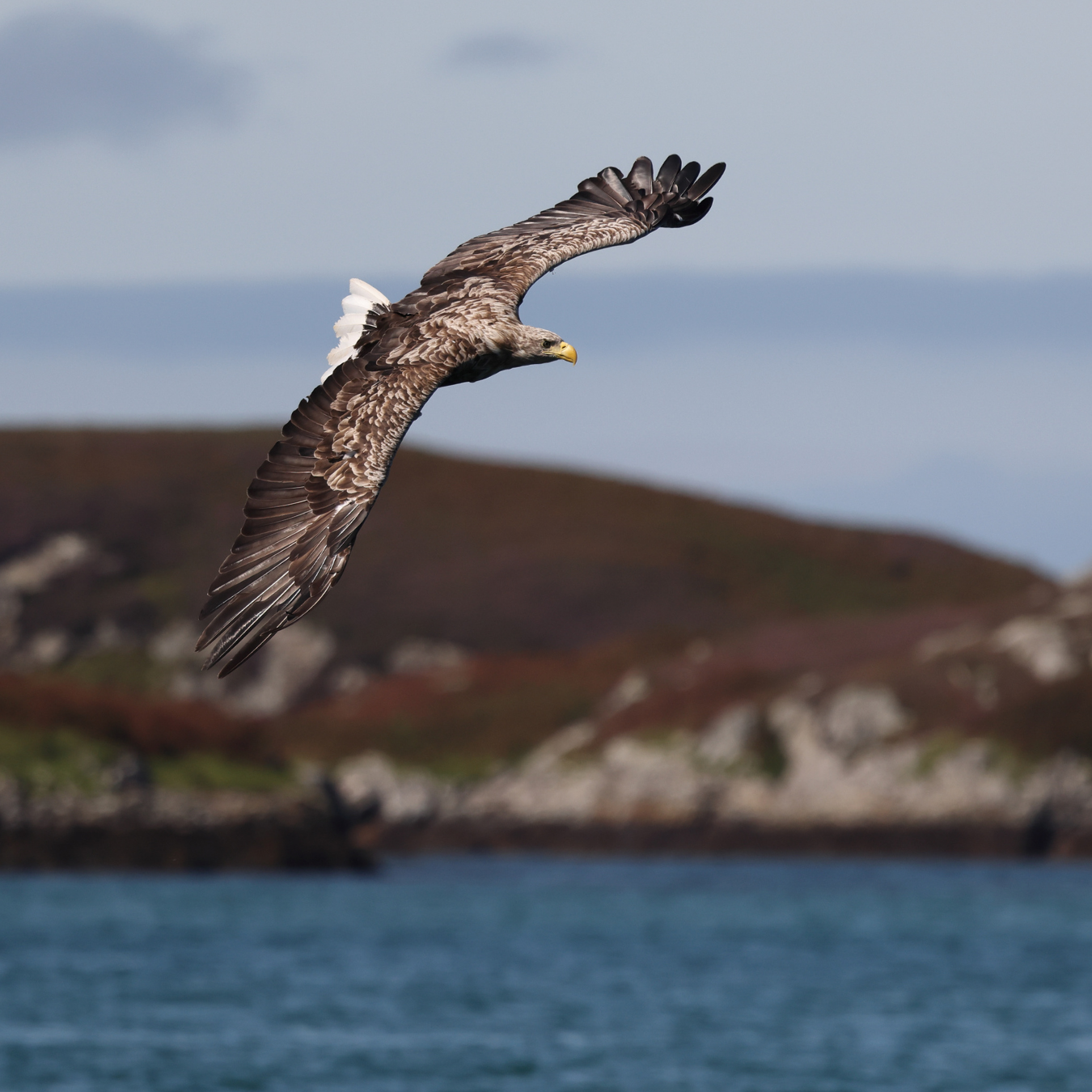
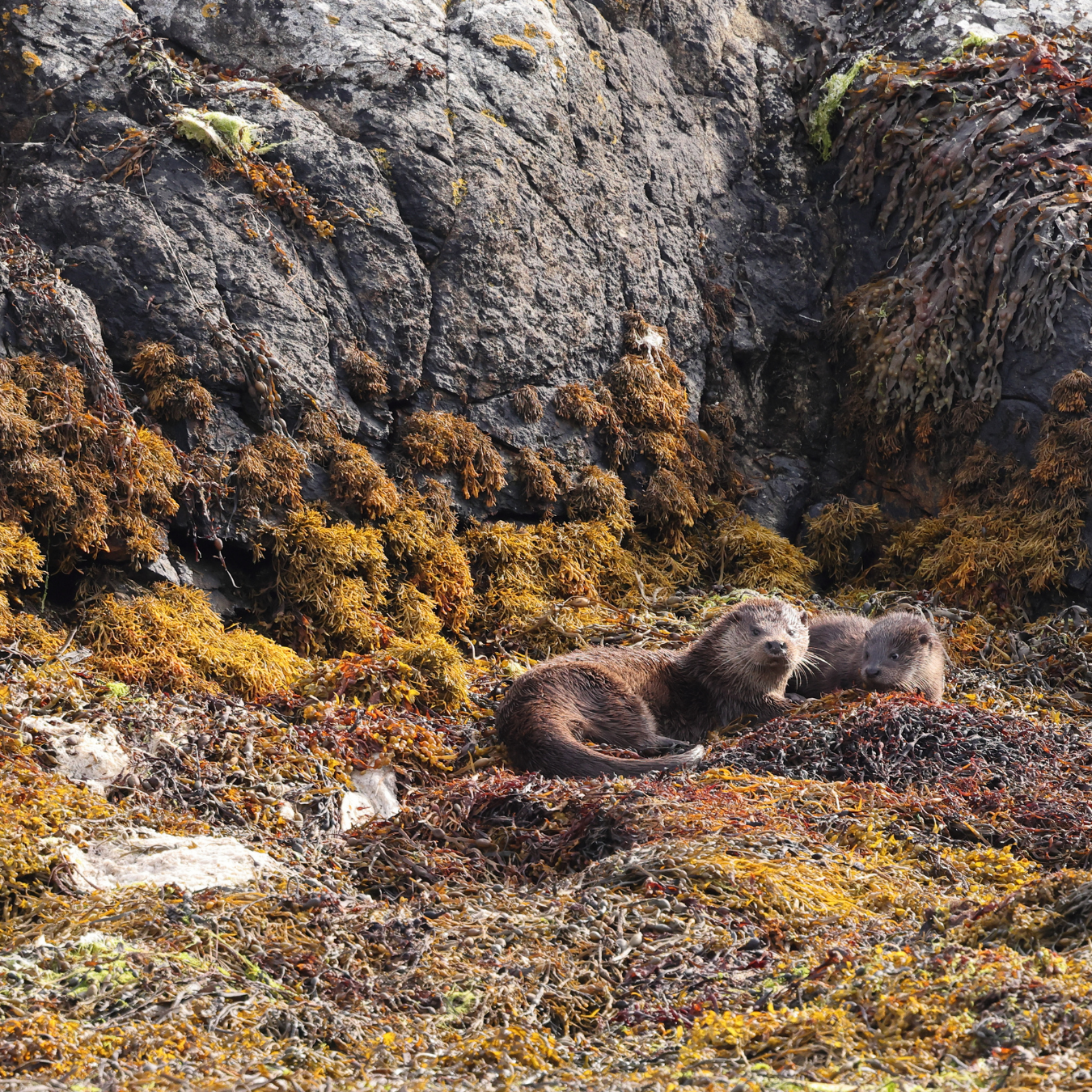
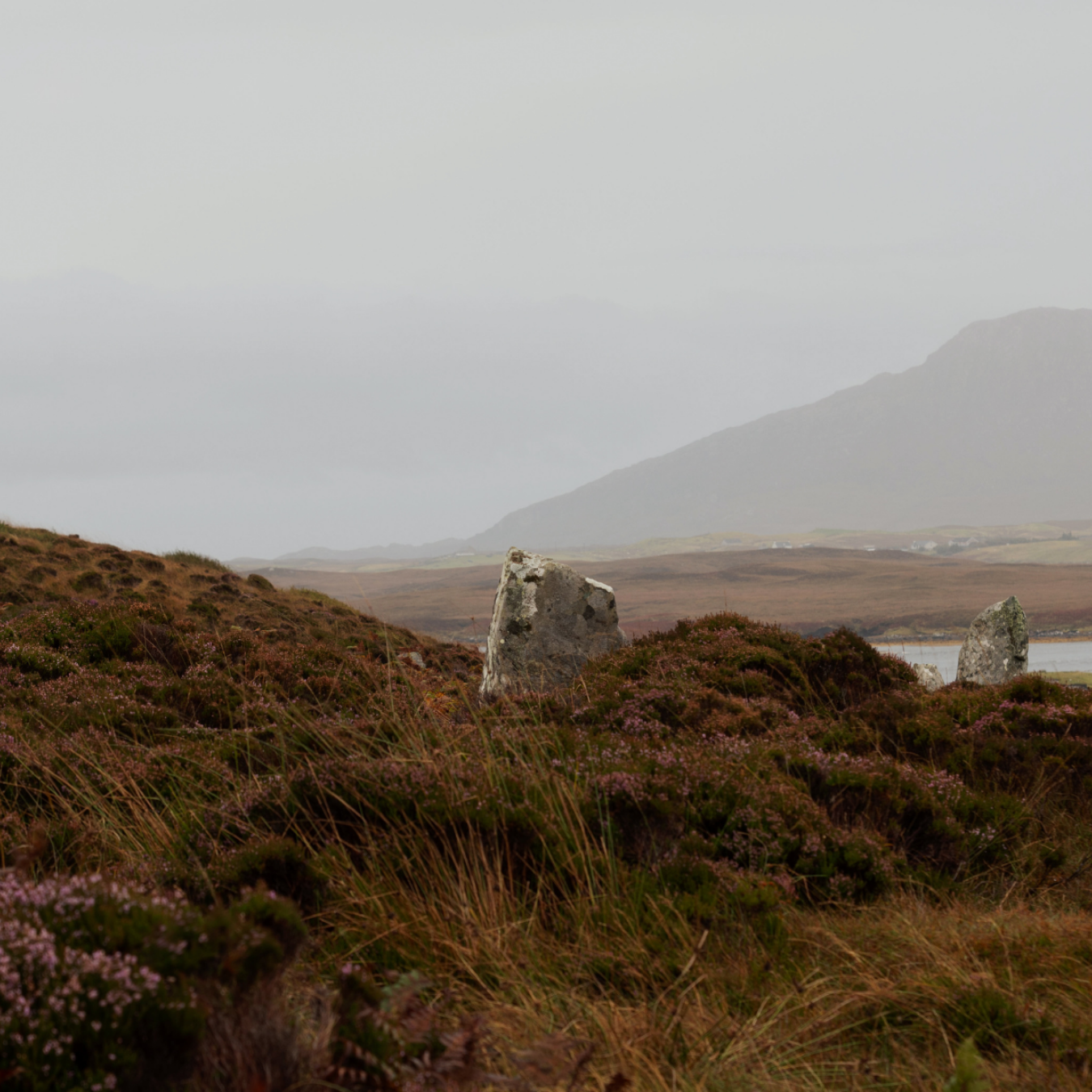
Ronay is a wild, remote island in the Outer Hebrides, with 35.5 km of coastline, inland lochs, peatland, and heather-covered hills. Coastal waters are rich in Marine life. Its diverse assemblage attracts a high concentration of wildlife seeking to breed and feed, helping to regulate the environment. Resident white-tailed sea eagles and golden eagles soar over Ronay, otters make their home along the shoreline, red deer roam the island, and seals and porpoises inhabit the surrounding waters.
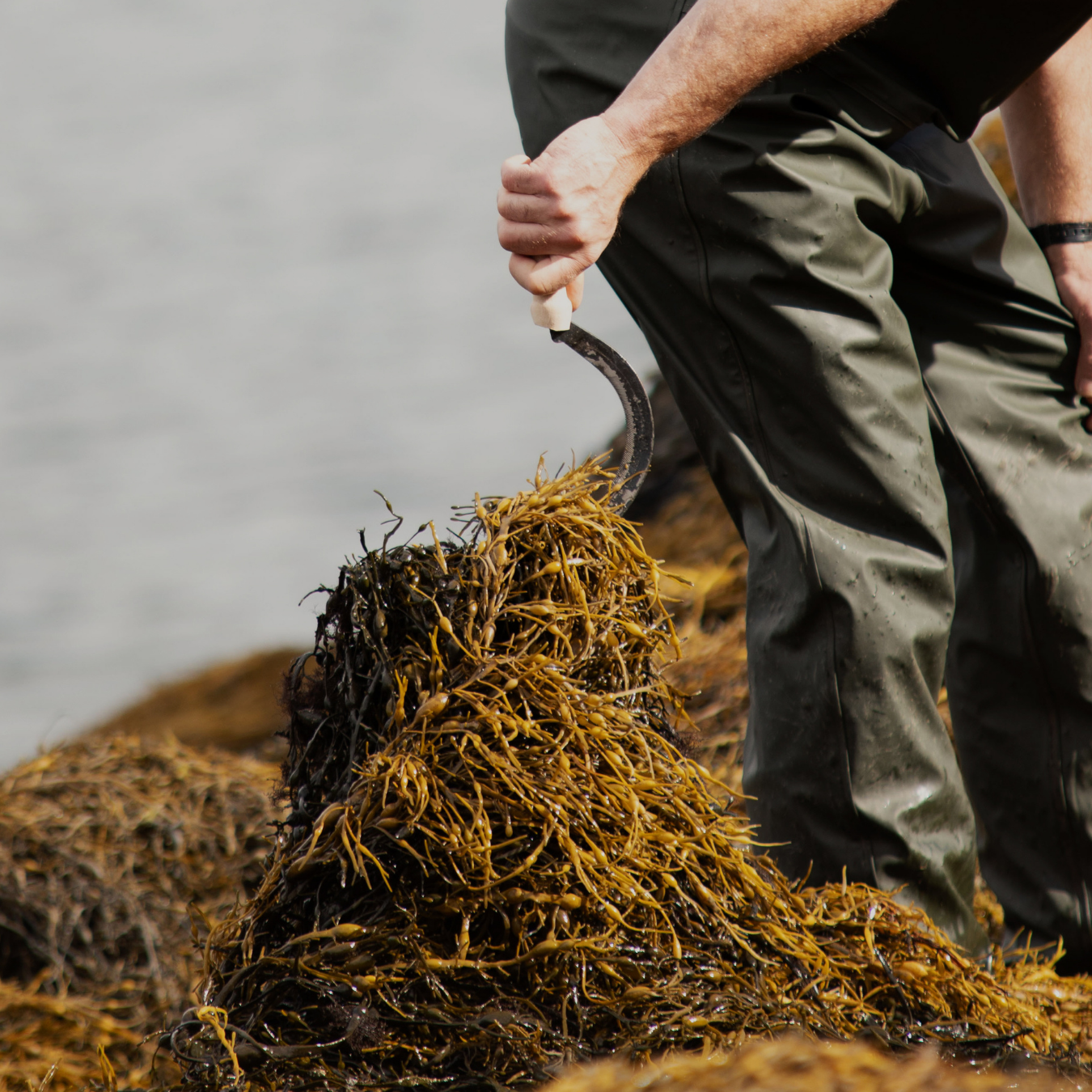
It is a complex living landscape, shaped by people, wildlife and natural processes over generations. Farming, grazing, peat cutting and seaweed harvesting have all played a part in shaping Ronay and remain part of the island’s story today. Our approach to regeneration starts with a clear understanding of the landscape: its history, habitats and species, and how its natural systems function and change over time.
Looking to the future
Ronay is part of a wider Scottish landscape where nature has been under growing pressure over time. In the most recent decade assessed, 43% of Scotland’s monitored terrestrial and freshwater species declined, while almost half of its flowering plant species are now found in fewer places than they were in 1970. These wider trends give important context to our work on Ronay, while reinforcing the need to understand what is happening on the island itself.
Ecological baseline surveys are helping us build a clearer picture of Ronay’s habitats and species, alongside historic information, specialist expertise and the knowledge of people who know the island and surrounding area well. Together, these different perspectives are helping us understand how Ronay’s natural systems are functioning and changing over time.
As our understanding develops, it will help us decide what needs protecting, where intervention may support recovery and regeneration, and where allowing natural processes to lead may be the best approach. Establishing a baseline also gives us a starting point to monitor change, learn from what we’re seeing, and adapt our approach over time.
Our ambition is to support a more resilient, species-rich Ronay for the long term. This isn’t about winding back the clock or recreating a landscape from a particular point in history. It’s about working with the knowledge and evidence available to us, continuing to learn, and respecting the complexity of this living, changing landscape as we consider how best to care for Ronay into the future.
Commercial Activity and Regeneration
Alongside the regeneration work, we’re developing commercial activities around Ronay’s renewable natural resources, with responsible use, careful management and ecological health at the heart of our approach.
Our longer-term ambition is to build a model in which commercial activity and stewardship support one another, with the businesses connected to Ronay contributing to the long-term care of the natural systems they depend on. How that works in practice is still being developed, and we’ll share more as the work takes shape.