Wildlife Wave: Spring and summer On Ronay Island
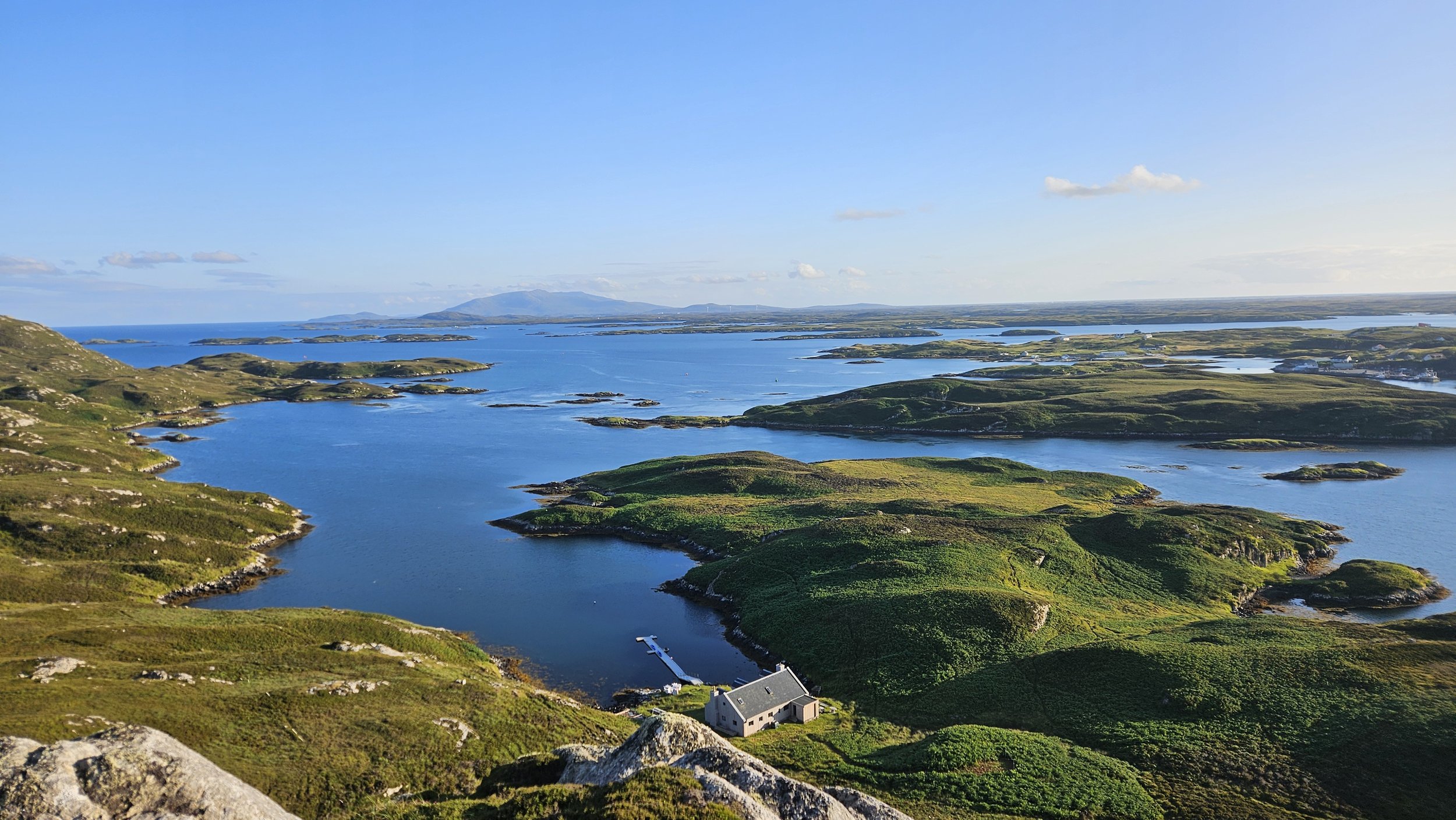
Winter on the Outer Hebrides is raw and unrelenting. Ronay Island takes the full force of ocean gales, plunging temperatures, and short, dark daylight hours. The atmosphere changes around Ronay shifts as the soundscape hibernates and the landscape's last glimpse of colour is the jagged yellow gorse that punctuates the brown heathered hills.
As the darkest nights draw in, speckles of sweet violet begin to appear and jut from the rocky outcrops, and primroses creep into the moorlands. Against this backdrop, a burst of wildlife floods through the skies, animals morph into colourful doppelgängers, and life and energy explode on the island.
Ronay’s vibrant microcosm of wildlife stems from the absence of human settlement for nearly two centuries and its untouched Island geography. Its rocky outlets, lochans, peatlands and skerries provide a mosaic of habitats, making it a mecca for species to feed, breed and thrive on.
Royalty of the Hebridean Sky: White-Tailed Sea Eagles
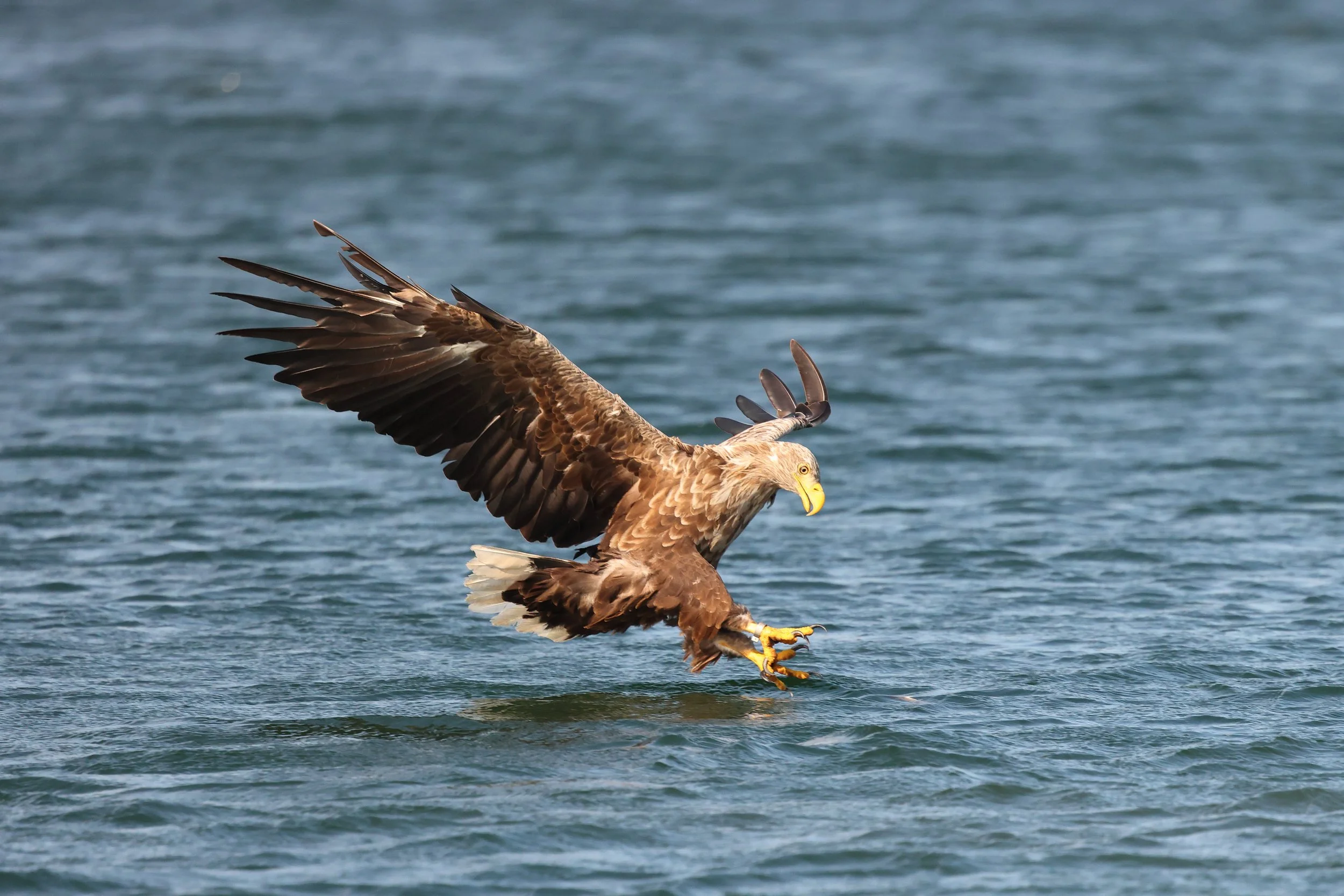
No bird defines the rugged Ronay landscape quite like the White-tailed Eagle (Haliaeetus albicilla). These magnificent raptors hold fixed territories across the island, with one notable resident pair calling Ronay home for over 15 years.
This summer, the pair successfully raised chicks that are now roughly 11 weeks old and fully fledged, learning to navigate the winds above their ancestral territory.
It’s remarkable to think that these birds were wiped out in Scotland during the 19th century, largely due to human persecution. Their ability to rebound in number is a testament to nature's incredible resilience. Yet, ongoing monitoring remains vital, not only to protect this local population, but to safeguard a crucial genetic lifeline so that other regions of the UK might also enjoy the privilege of encountering them.
“Sat up high on the tops, it's amazing to watch their head tilts as they check the territory! Hooded crows and gulls harass them when they are sat. They get so annoyed, but you just see their beak open and snap” - Rosie, crew of Lady Ann Cruises
Coastal Migrants
Terns are migratory seabirds that travel some of the longest distances from Arctic regions to the Hebrides and are a fundamental part of the tapestry of wildlife at Ronay. Common, Arctic and little terns arrive each spring to breed. They are unmissable with their forked tails and angular wings and can be viewed vertically diving for fish at ferocious speeds and heights. Arctic skuas are also island visitors for breeding and will be seen mobbing the terns to snatch their prey.
Unfortunately, Tern and Skua numbers have significantly declined around Ronay within the last 5 years. This is reflected across Scotland, where tern numbers have dropped by 73% since 1986, and Arctic Skuas have seen the steepest decline of all seabirds at 93%.
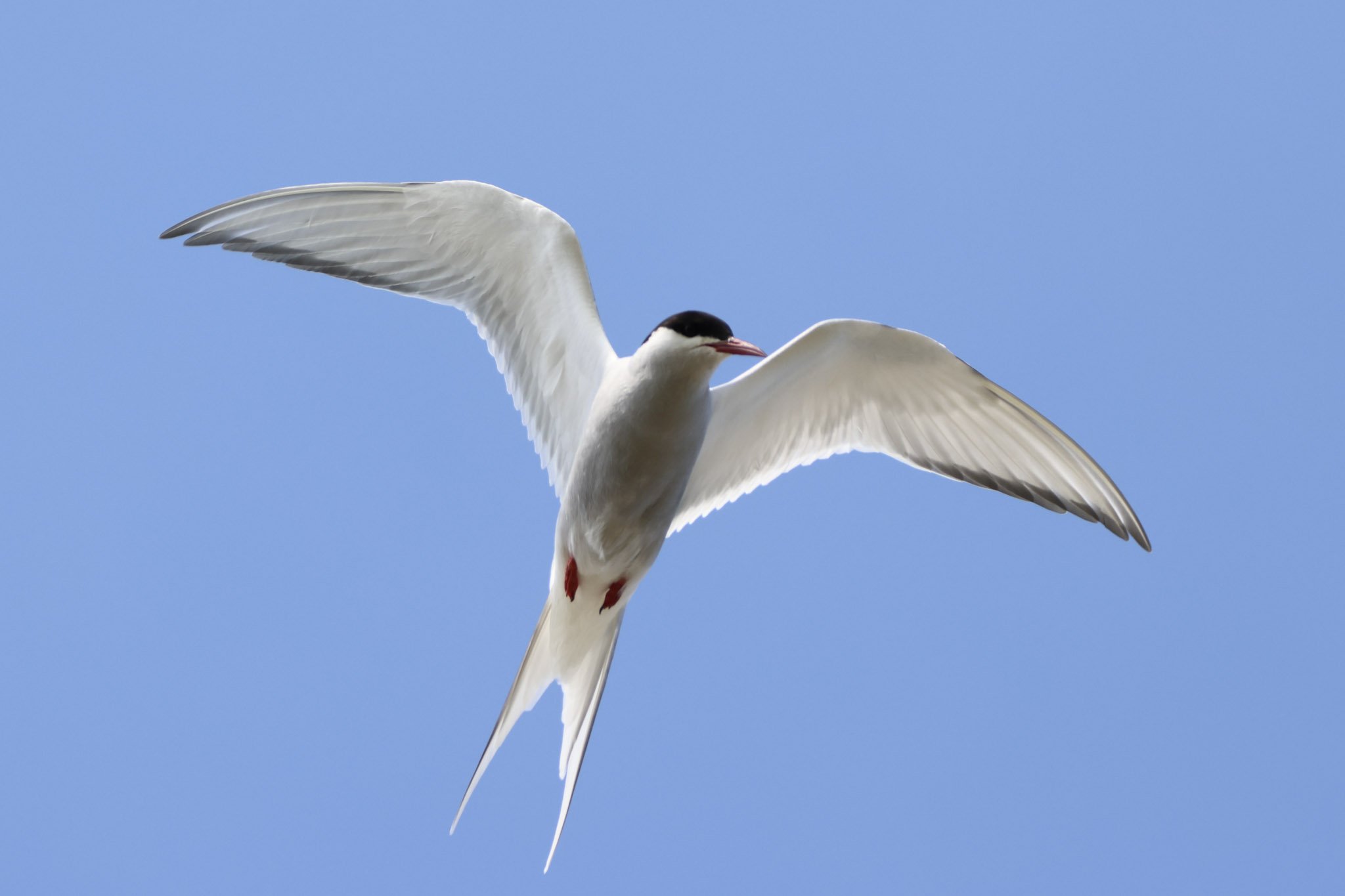
Images taken by Rosie Adey
Rare beauties of the seas
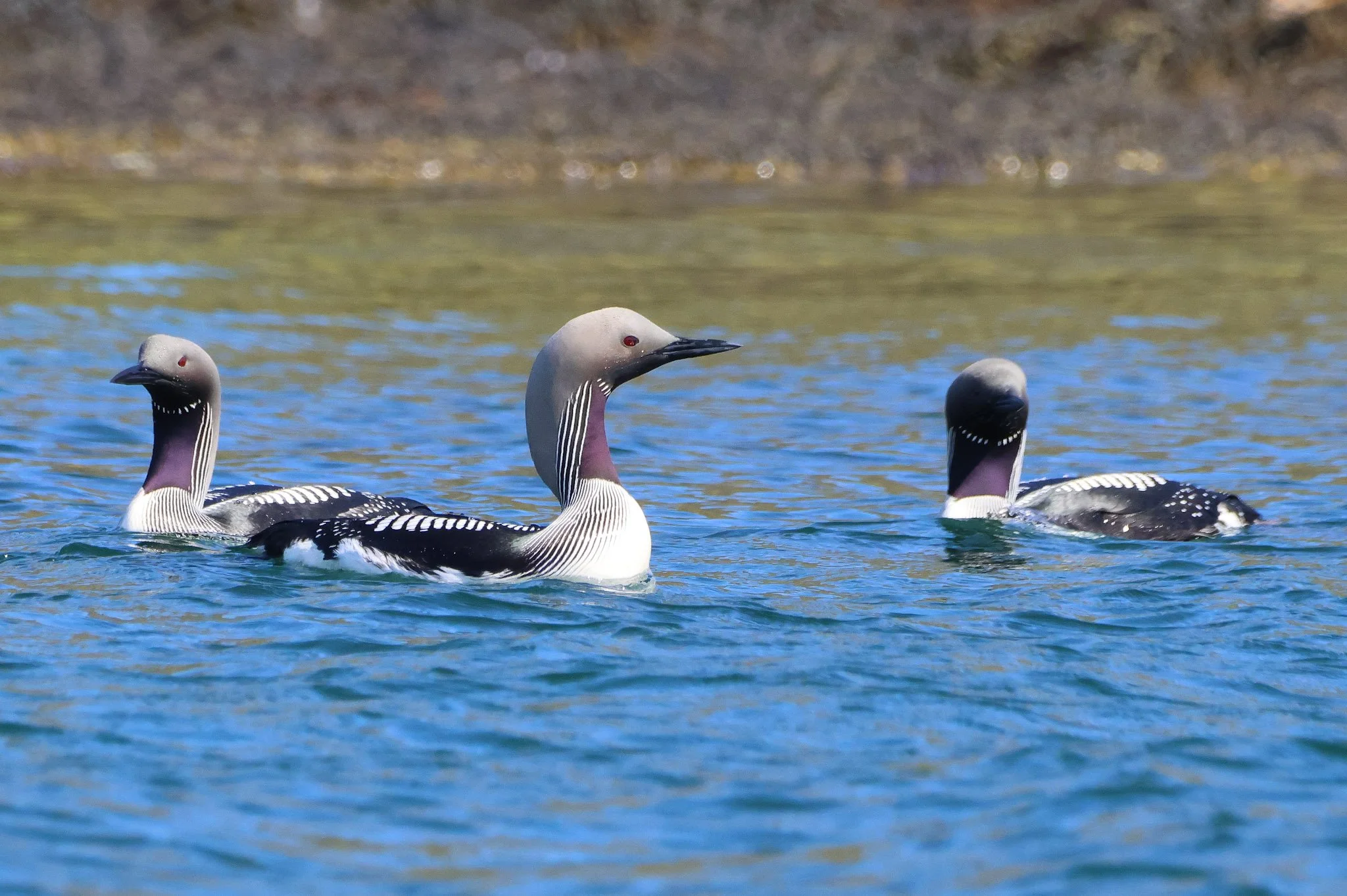
True to their name, divers are highly specialised waterbirds that underpin the unique fauna of the Hebrides. They are about the size of a large duck and are usually at the top of people’s list to spot in coastal habitats. Whether drawn by their mesmerising plumage with layers of intricacy or their haunting calls, sometimes compared to a wolf howl, divers stand out as one of our most iconic treasures.
The rarest in Scotland are the Black-throated Divers. They are migratory, and despite their limited dispersal, there are very healthy populations around Ronay. Lady Ann boat tours cruise around Ronay almost every day and have spotted the largest raft of 21 congregated together, exemplifying just how ecologically valuable this landscape is.
Images taken by Rosie Adey
Furry residents
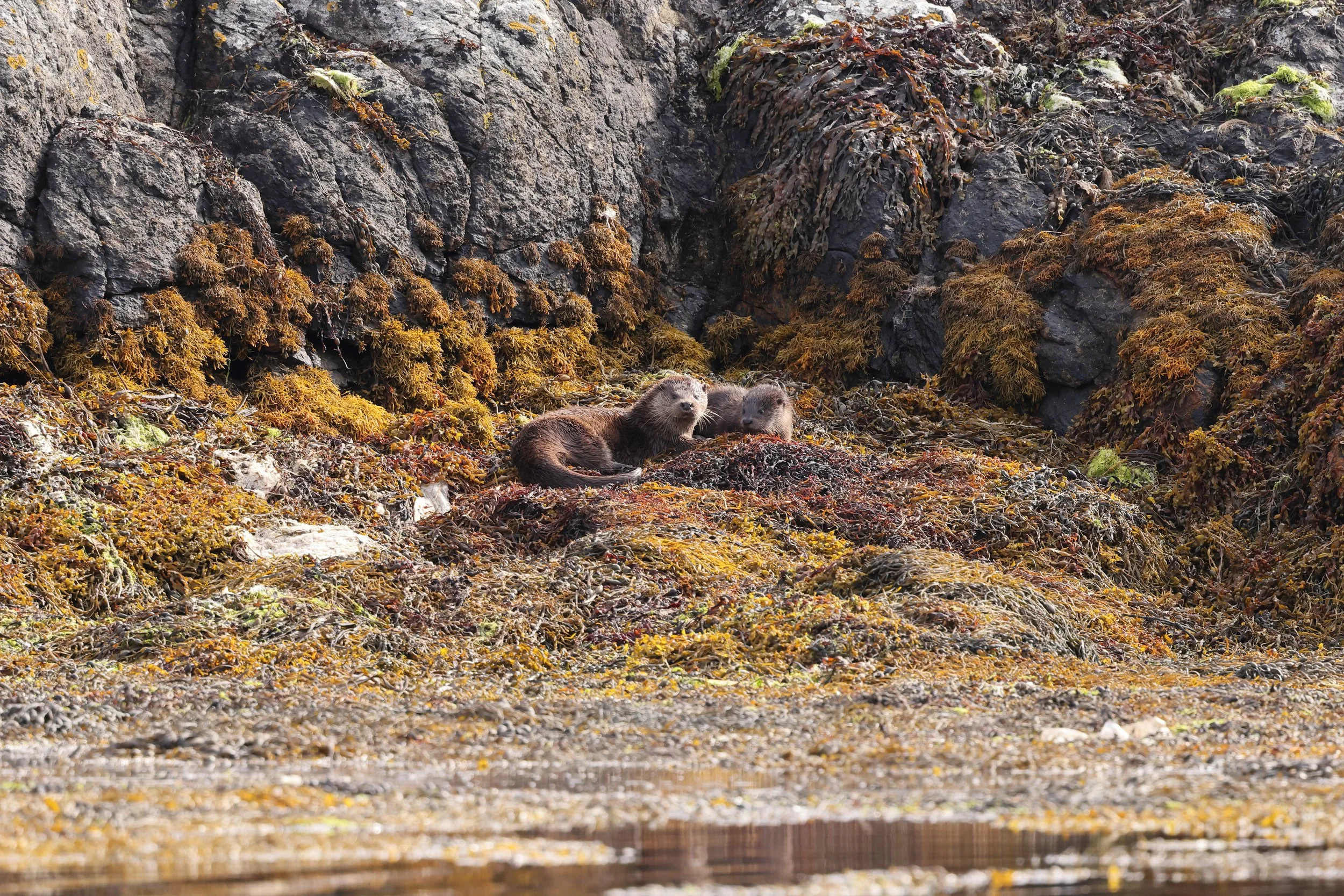
An animal that has a place in most people's hearts are Otters. The European Otter is Native to Scotland, and despite their cuddly appearance, they are ferocious hunters and brave individuals. “We've done quite well for otters; they usually come in surges during Knepp tides. There were 5 in one trip,” said Rosie, who is part of the Lady Ann boat crew and gets the pleasure of being out at sea, spotting them on the shorelines.
Otters can breed all year-round, but summer months bring calmer weather and an abundance of fish and crustaceans, essential for strength to bring up a wee one!